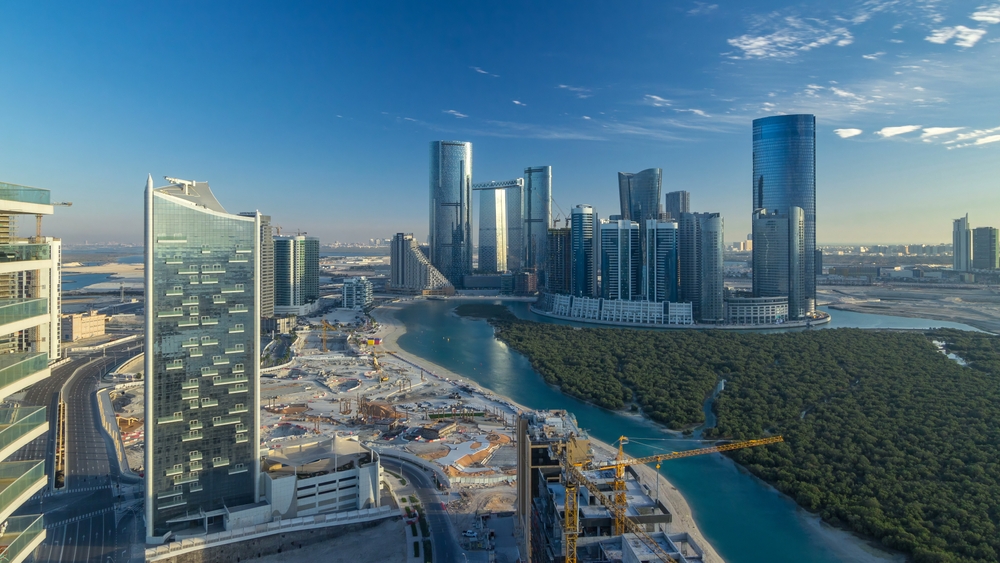
Abu Dhabi is entering a new era of infrastructure led economic transformation, with more than 55 billion dollars in major projects showcased at the Abu Dhabi Infrastructure Summit. Driven by a clear long term vision, the emirate is using public private partnerships to accelerate development, unlock capital, and strengthen its position as one of the world’s most liveable, competitive, and future ready cities. For M&A advisors, private capital firms, family offices, and corporate strategists, this surge represents one of the most significant dealmaking and investment cycles in the region’s recent history.
Strategic Context
Abu Dhabi’s infrastructure expansion aligns with its ambition to build a world class urban environment supported by innovation, sustainability, and industrial diversification. The emirate’s liveability score jumped from 63 percent in 2023 to 81 percent in 2024 and it now ranks fifth globally in the IMD Smart Cities Index. With 600 capital projects already under oversight, Abu Dhabi is scaling rapidly to support population growth, industrial expansion, and rising global investor demand.
- Over 55 billion dollars in flagship infrastructure projects.
- Goal to deliver 50 percent of new capital projects through PPPs by 2029.
- Focus on urban resilience, advanced mobility, and housing supply.
Major Projects Powering Abu Dhabi’s Infrastructure Boom
40,000 Modular Housing Units
- Five year plan to deliver large scale residential communities using modular construction.
- Improves cost efficiency, construction speed, and environmental performance.
- Significant opportunities for engineering, procurement, and construction partnerships.
Advanced Transport Systems
- Development of a full vertiport network to support electric vertical take off and landing aircraft.
- Expansion of autonomous mobility corridors and next generation public transport.
- Integration of digital infrastructure for smarter and safer urban mobility.
Quality of Life and Sustainability Projects
- Over 600 ongoing projects targeting environmental resilience and urban enhancement.
- Large scale public realm upgrades, green spaces, and community infrastructure.
- Focus on reducing emissions and strengthening climate readiness.
Industrial Ambitions and Economic Diversification
Abu Dhabi aims for its industrial sector to contribute 172 billion dirhams by 2031, supported by one of the most attractive investment ecosystems in the region. Incentives are designed to accelerate manufacturing, logistics, energy, and advanced technology expansion.
- One hundred percent foreign ownership permitted across industrial sectors.
- Discounted land leases and reduced energy costs for strategic projects.
- Strong integration with AD Ports, KEZAD, Masdar, and industrial free zones.
Abu Dhabi’s Global Trade and Investment Strategy
The emirate’s trade framework is rapidly expanding, built on new global partnerships and preferential market access. With 27 Comprehensive Economic Partnership Agreements under negotiation, Abu Dhabi is strengthening its role as a central node in global trade flows.
- Preferred access to 2.5 billion consumers through upcoming CEPAs.
- Integration with the UAE’s broader trade agenda targeting one trillion dollars in global trade value.
- Enhanced export pathways for industrial and manufacturing companies.
In Country Value Program and Supplier Ecosystem Strengthening
Abu Dhabi continues to channel capital into local supply chains to strengthen resilience and industrial self sufficiency. The national ICV program directs an estimated 48 billion dirhams annually to approved UAE based suppliers.
- Boosts competitiveness of local manufacturing and services.
- Increases demand for compliance, restructuring, and financial advisory services.
- Creates opportunities for joint ventures and supplier consolidation.
Implications for M&A, Private Capital, and Advisory Firms
- M&A: Consolidation across construction, modular housing, industrial services, and infrastructure operators.
- Private capital: PPP projects offer long term stable investment vehicles across utilities, housing, transport, and logistics.
- Family businesses: Succession, governance, and capital structure planning become essential as multi generational firms expand within new industrial opportunities.
- Cross border advisors: Rising demand for corporate structuring, SPVs, CEPA based market entry, and project finance support.
Market Outlook and Long Term Trajectory
Abu Dhabi’s infrastructure agenda is not a short term stimulus cycle. It is a multi decade national strategy to rewire mobility, elevate urban living, and position the emirate as one of the most advanced global capitals. The mix of PPP financing, industrial expansion, and global market access will generate sustained opportunities for advisory firms, investors, and corporate leaders seeking long term alignment with Abu Dhabi’s economic future.
- Increasing capital deployment across transport, energy, and housing.
- High forecasted deal flow in industrial consolidation and infrastructure technology.
- Growing involvement of global investors, sovereign funds, and family offices.
Handle Insight
Abu Dhabi’s 55 billion dollar infrastructure pipeline is reshaping the region’s economic landscape and creating one of the most attractive investment environments globally. For advisors, private capital firms, M&A specialists, and family businesses, this is a generational opportunity. The emirate’s blend of scale, regulation, incentives, and strategic vision makes it a prime destination for long term capital, strategic restructuring, and cross border expansion strategies.