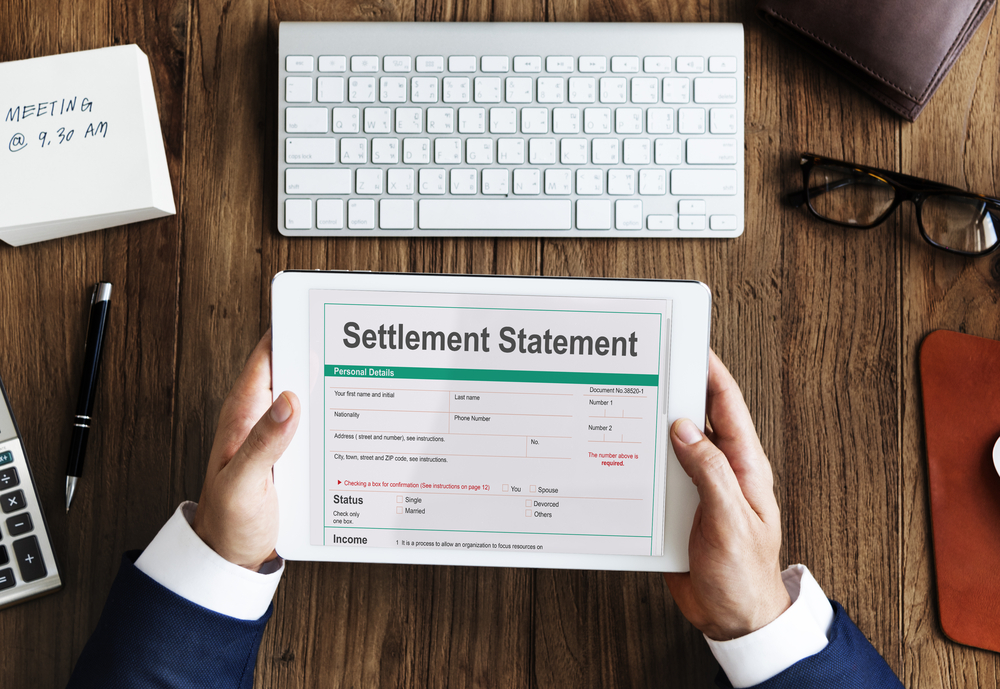
Commercial debt recovery is a critical part of financial and risk management for any organisation involved in Commercial & Corporate Disputes, particularly when late payments, disputed invoices, or systemic defaults begin to undermine cash flow and operational stability. Unlike consumer collections, commercial debt recovery involves sophisticated counterparties, complex contracts, and often ongoing business relationships that must be preserved wherever possible. Effective tactics therefore combine structured processes, legal tools, and commercial negotiation to maximise recovery while protecting long term value.
Building Strong Foundations Before Debt Arises
The most effective recovery tactics begin long before an invoice becomes overdue. Preventive measures reduce disputes and strengthen the creditor's position if recovery action becomes necessary.
Clear Contractual Terms
Contracts should specify payment terms, interest on late payments, security arrangements, dispute resolution mechanisms, and consequences of default. Ambiguous or poorly drafted clauses invite disagreement and weaken recovery leverage.
Credit Assessment and Limits
Robust credit checks, internal risk scoring, and clearly defined credit limits help ensure that exposure to any single counterparty remains manageable. Periodic reviews are essential for customers operating in volatile sectors or jurisdictions.
Documentation and Record Keeping
Accurate records of purchase orders, delivery notes, services rendered, and written approvals form the evidential backbone of future recovery efforts. Well structured documentation reduces the scope for opportunistic disputes about performance or pricing.
Early Stage Recovery Tactics
When an invoice first becomes overdue, early intervention is often the difference between simple late payment and a prolonged dispute. The objective at this stage is to prompt payment through structured contact while maintaining a constructive tone.
Tiered Reminder System
A staged reminder process typically includes friendly reminders shortly after due date, followed by firmer notices referencing contractual obligations and potential consequences. Communication should be professional, factual, and clearly documented.
Clarifying Operational Issues
Some late payments arise from administrative errors, disputed quantities, or internal approval delays. Engaging the debtor to identify practical obstacles and propose solutions often resolves matters without escalation.
Short Term Payment Plans
Where the debtor faces temporary cash flow pressure, short term instalment plans, partial payments, or agreed rescheduling can secure recovery while preserving the relationship. These arrangements should be documented clearly, often with revised acknowledgement of debt.
Unlike consumer collections, commercial debt recovery involves sophisticated counterparties, complex contracts, and often ongoing business relationships that must be preserved wherever possible.
Negotiation and Commercial Leverage
When debts remain unpaid despite reminders, more structured negotiation becomes necessary. At this stage, the creditor should evaluate leverage, commercial dependencies, and legal position.
Linking Performance and Future Business
In ongoing relationships, future supply, service levels, discounts, or project commitments may be conditioned on resolving outstanding debts. This approach must be used carefully to avoid breaching competition or regulatory rules but can be highly effective.
Settlement Discounts and Structured Deals
In some cases, offering a modest discount for immediate payment or agreeing a structured settlement can deliver better net recovery than extended litigation. Decisions should be informed by realistic assessments of the debtor's solvency and recoverability.
Obtaining Acknowledgements of Debt
Written acknowledgements of outstanding amounts and agreed repayment schedules can interrupt limitation periods, strengthen evidential position, and form the basis for more efficient enforcement if default continues.
Using Formal Demand and Pre Litigation Strategies
When commercial engagement fails, more formal steps signal seriousness and prepare the ground for legal action.
Formal Demand Letters
A legally crafted demand letter sets out the debt, relevant contractual provisions, prior attempts at resolution, and a clear deadline for payment. It may also reference the potential for interest, legal costs, or proceedings if payment is not made.
Statutory Demands and Insolvency Pressure
In some jurisdictions, statutory demands can be served for undisputed debts above a certain threshold, creating a presumption of insolvency if unpaid. This is a powerful tool, but it must be used strategically and responsibly to avoid abuse of process allegations.
Engaging External Collection or Advisory Support
Specialist advisors, collection firms, or law firms can add pressure through professional follow up, legal framing, and tactical guidance. Their involvement also signals to the debtor that the creditor is prepared to escalate.
Litigation and Arbitration as Recovery Tools
When pre litigation strategies fail or where disputes are complex or high value, formal proceedings may be necessary. The decision to litigate should be based on a cost benefit analysis, weighing potential recovery against time, legal costs, and reputational impact.
Court Proceedings for Unpaid Invoices
For clear, undisputed debts, summary judgment or fast track procedures can result in relatively swift orders for payment. Once judgment is obtained, enforcement options such as asset seizure or garnishment become available.
Arbitration in Cross Border Commercial Debts
Where contracts contain arbitration clauses, creditors may pursue claims before an arbitral tribunal. Arbitral awards are often easier to enforce internationally than court judgments, particularly under the New York Convention framework.
Counterclaims and Set Off
Debtors frequently respond to claims with counterclaims alleging poor performance or defects. Effective preparation, documentation, and expert evidence help neutralise weak counterclaims and maintain pressure for settlement.
Enforcement Strategies After Judgment or Award
Securing a judgment or arbitral award is only part of the process. Effective enforcement determines whether the creditor ultimately recovers funds.
Asset Tracing and Identification
Identifying bank accounts, real estate, receivables, and movable assets is essential. In complex structures, tracing through group entities, offshore vehicles, or related parties may be necessary.
Attachment and Garnishment
Court orders can be used to attach funds owed to the debtor by third parties, such as customers, banks, or counterparties. Garnishment can be particularly effective where the debtor holds limited visible assets but active receivables.
Charges, Liens, and Security Enforcement
Where creditors hold security interests, enforcement may include selling charged assets, enforcing guarantees, or appointing receivers. Well structured security packages significantly improve recovery prospects.
Managing Risk Across Multiple Debtors and Markets
Larger organisations often manage portfolios of commercial debts across jurisdictions, sectors, and counterparties. Portfolio based approaches improve recovery efficiency and risk control.
Segmentation and Prioritisation
Debts can be segmented by size, age, jurisdiction, and recovery likelihood. High value or strategically important debts receive more intensive legal attention, while smaller debts may be handled through standardised collection processes.
Use of Technology and Analytics
Data driven tools can monitor payment behaviour, identify early warning signals, and calibrate recovery tactics based on debtor profiles and historical outcomes.
Coordinated Cross Border Strategy
Where debtors operate internationally, coordinated actions across multiple jurisdictions reduce the risk that assets are shifted or enforcement becomes fragmented.
Balancing Recovery With Relationship Management
In commercial contexts, aggressive recovery may damage valuable relationships or future opportunities. Effective tactics therefore differentiate between strategic clients and purely transactional relationships.
For strategic partners, a collaborative approach that combines payment solutions, revised terms, and performance improvement plans may be preferable to immediate litigation. For high risk or non cooperative debtors, firm legal action and decisive enforcement may be the only practical route.
Conclusion
Commercial debt recovery tactics work best when they are preventive, structured, and integrated with broader commercial strategy. From clear contracting and disciplined credit control to negotiation, formal demand, litigation, and enforcement, each step should be tailored to the debtor's profile, the size of the claim, and the importance of the underlying relationship. Businesses that invest in strong documentation, early intervention, and coordinated legal and commercial strategies are far better positioned to protect cash flow, reduce write offs, and manage commercial disputes with clarity and control.