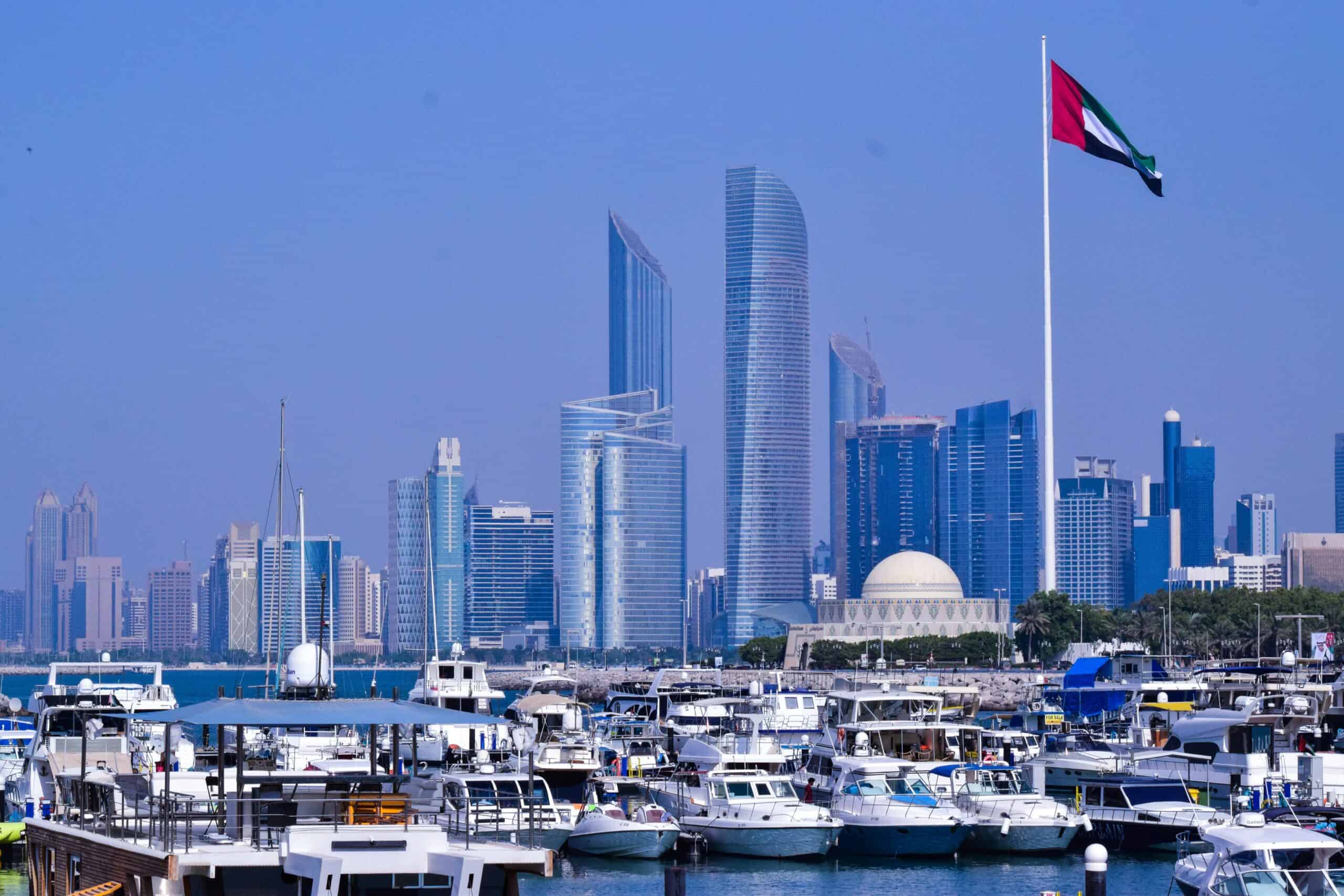
The regulatory framework governing philanthropy in the United Arab Emirates is not a single unified regime. It is a layered system built across federal law, emirate-level authorities, and financial free zone jurisdictions. Control sits across multiple regulators, each defining how capital can be raised, structured, deployed, and reported. Within Philanthropy & Capital Markets Integration, this framework determines whether philanthropic capital can move efficiently across jurisdictions, whether governance holds under scrutiny, and whether execution remains enforceable. In the UAE, philanthropy is permitted, structured, and supervised. It is not informal. It is regulated capital activity.
Federal Layer: Control Over Fundraising and Donations
At the federal level, the UAE regulates how donations are raised, who can solicit funds, and under what conditions capital can be collected and distributed. Fundraising is not an unrestricted activity. It requires authorization, legal status, and defined purpose.
Entities seeking to raise funds must be legally recognized and operate through approved charitable channels. Permit applications must define the purpose of fundraising, the responsible parties, the beneficiaries, and the methods of collection. This creates a controlled environment where capital inflows are transparent, traceable, and aligned with approved objectives.
This layer of regulation prevents unauthorized fundraising, mitigates financial crime risk, and ensures that philanthropic capital is directed through compliant structures. It also establishes a baseline requirement. Philanthropy in the UAE must be institutional, not informal.
Emirate-Level Authorities: Operational Oversight
Beyond federal controls, each emirate imposes its own regulatory oversight for charitable activity. In Dubai, philanthropic entities engaging in social or humanitarian work must align with local authorities responsible for community development and social regulation. These authorities oversee licensing, activity scope, and operational compliance.
This layer governs how philanthropic programs are executed on the ground. It defines what activities are permitted, where they can take place, and how they are monitored. It also introduces approval processes for campaigns, partnerships, and public engagement.
For family enterprises, this creates a dual obligation. The structure must comply with federal fundraising rules and align with emirate-level operational controls. Execution is not portable without regulatory alignment.
Financial Free Zones: Structured Legal Frameworks
The most advanced philanthropic structures in the UAE are established within financial free zones, primarily the Dubai International Financial Centre and the Abu Dhabi Global Market. These jurisdictions provide dedicated legal regimes, independent courts, and internationally aligned regulatory frameworks.
DIFC Foundations Regime
The DIFC operates under its own legal system and regulatory authority, with foundations governed by specific legislation. Foundations in this jurisdiction can be established for charitable purposes and structured with defined governance, including councils, guardians, and registered agents.
The DIFC model allows philanthropic capital to be held within a recognized legal entity, with enforceable governance rules and access to a common law court system. This creates legal certainty for cross-border families and institutional partners.
ADGM Foundations Regime
The Abu Dhabi Global Market provides a parallel framework with oversight by its Registration Authority. These foundations operate as independent legal entities with their own governance structures, holding and managing assets according to a defined charter.
ADGM applies a common law framework, enabling international recognition and structured governance. While flexible, certain charitable structures require additional oversight mechanisms such as guardians to ensure compliance with purpose-driven mandates.
RAK ICC and Offshore Structures
Ras Al Khaimah International Corporate Centre offers offshore foundation structures designed for asset holding, privacy, and cross-border planning. These vehicles can support philanthropic objectives but operate within a different regulatory and transparency profile compared to DIFC and ADGM.
The selection between these jurisdictions is not administrative. It determines legal enforceability, governance flexibility, regulatory scrutiny, and international credibility.
Core Legal Characteristics of UAE Philanthropic Vehicles
Across jurisdictions, philanthropic structures in the UAE share several defining legal characteristics.
Separate Legal Personality
Foundations and similar vehicles operate as independent legal entities. They can own assets, enter contracts, and hold liabilities separate from the founder. This separation protects assets and enables institutional continuity.
Charter and By-Laws Governance
Each structure is governed by formal documentation defining purpose, governance, decision rights, and operational rules. These documents are not symbolic. They are enforceable instruments that define how capital is controlled and deployed.
No Shareholders, Defined Controllers
Foundations operate without shareholders. Control is exercised through councils, trustees, or similar governing bodies. This removes ownership-based influence and replaces it with fiduciary governance.
Regulatory Compliance Obligations
Entities must maintain records, comply with anti-money laundering requirements, and meet reporting obligations. Compliance is continuous. It is not satisfied at incorporation.
Anti-Money Laundering and Financial Integrity Controls
The UAE enforces strict anti-money laundering and counter-terrorism financing regulations across all financial and charitable activities. Philanthropic vehicles fall within this perimeter. Capital flows must be transparent. Beneficial ownership must be identifiable. Transactions must be traceable.
Free zone regulators and federal authorities require due diligence on founders, council members, beneficiaries, and counterparties. This includes know-your-client procedures, source of funds verification, and ongoing monitoring. The objective is clear. Philanthropy cannot be used as a conduit for illicit capital.
For family enterprises, this introduces a non-negotiable requirement. Governance must include compliance capability. Without it, the structure cannot operate.
Restrictions on Commercial Activity
Philanthropic vehicles in the UAE are generally restricted from engaging in unrestricted commercial activity. Their primary purpose must align with defined objectives, whether charitable, purpose-driven, or asset holding for specified beneficiaries.
However, these vehicles can hold and manage assets, including investments, provided that such activity supports the stated purpose. This creates a controlled environment where capital can be preserved and grown without converting the entity into a commercial enterprise.
This distinction is critical. Philanthropic capital can be structured and deployed. It cannot operate as an unrestricted business.
Cross-Border Considerations and Legal Interoperability
The UAE’s position as an international financial hub means that philanthropic structures are often designed for cross-border activity. Foundations in DIFC and ADGM benefit from common law systems and independent courts, enabling international enforceability and dispute resolution.
This interoperability allows philanthropic vehicles to engage with global partners, fund international programs, and align with international legal standards. However, cross-border execution requires alignment with foreign regulations, tax regimes, and reporting requirements.
The UAE framework enables this activity. It does not remove the obligation to structure it correctly.
Regulatory Risk and Enforcement Exposure
Failure to comply with UAE philanthropic regulations carries direct consequences. Unauthorized fundraising, misuse of funds, non-compliance with reporting obligations, or breaches of AML requirements can result in penalties, suspension of activity, or revocation of licenses.
Regulatory risk is not theoretical. It is enforced through licensing authorities, financial regulators, and law enforcement. The framework is designed to protect the integrity of the sector and the reputation of the jurisdiction.
For family enterprises, this reinforces a core principle. Philanthropy must be structured with the same discipline as regulated financial activity.
Conclusion
The UAE regulatory framework for philanthropy is structured, multi-layered, and enforcement-driven. Federal law controls fundraising and donation flows. Emirate-level authorities govern operational execution. Financial free zones provide advanced legal structures for institutional platforms. Compliance, transparency, and governance are embedded at every level.
This framework does not restrict philanthropy. It defines how it is executed with credibility and control. Families that align their structures with these regulatory layers operate with certainty, cross-border capability, and institutional legitimacy. Those that do not encounter friction, delay, and enforcement exposure. In the UAE, philanthropy is not discretionary activity. It is regulated capital deployed under law, governance, and jurisdictional control.